Unraveling the Mysteries: Understanding the Dynamics of Human Health
Human Health and Disease: Health is
defined as a state of complete physical, mental and social wellbeing and not merely the absence of disease or infirmity. Good health is a state of optimum physical fitness, mental maturity, and alertness with freedom
from anxiety and social wellbeing with freedom from social tensions.
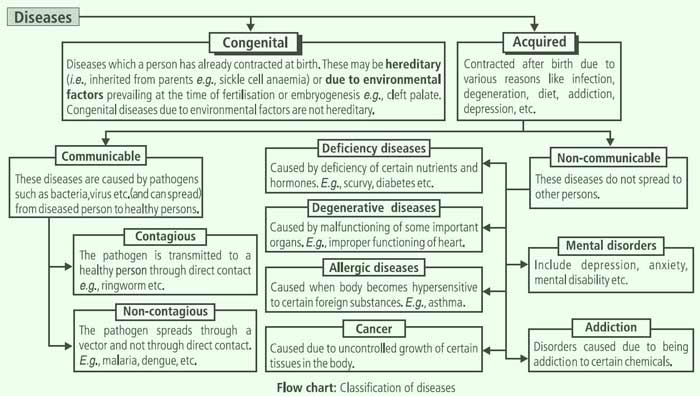
When the functioning of one or more organs or systems of the body is adversely affected, characterized by various signs and symptoms, we say that we are not healthy, i.e., we have a disease.
Malaria
Malaria is caused by a digenetic (having two hosts to complete its life cycle) and triphasic (having three phases of life cycle) protozoan parasite is known as Plasmodium. Sir Ronald Ross (1897), a doctor in the Indian Army, established that the malarial parasite is transmitted by the bite of a female Anopheles mosquito for which he got Nobel Prize in 1902.
The life cycle of Plasmodium requires two hosts for completion of human and mosquito. Plasmodium enters the human body as sporozoites (infectious form) through the bite of infected female Anopheles (vector). The sporozoites reach the liver cells via blood where they initially multiply.
These then attack the RBCs resulting in their rupturing. The rupture of RBC is associated with the release of hemozoin, a toxin that causes the chill and high recurring fever every three to four days.
The female Anopheles mosquito when bites an infected human being, the malarial parasites enter into the mosquito’s body and undergo further development to form sporozoites that finally move to the salivary glands of the insect.
The bite of these mosquitoes introduces the sporozoites inside the human body, thus initiating the above mentioned cyclic process again.
The attack of malaria is preceded by tiredness, headache and muscular pain. Malaria is characterized by recurring rigors lasting 6-10 hours. There are three stages:
(i) cold stage (chill and shivering).
(ii) hot stage (high fever).
(iii) sweating stage (perspiration and gradual fall in temperature).
There are four species of Plasmodium which cause four main types of malaria in humans.
They are:
Plasmodium vivax: Causes benign tertian malaria in which fever recurs after every 48 hours.
P. malariae: Causes quartan malaria in which fever appears after every 72 hours, and often produces persistent subclinical malaria.
P. falciparum: Causes cerebral malaria or malignant tertian malaria where fever recurs after every 48 hours.
P. ovale: Causes mild tertian malaria.
NON-COMMUNICABLE DISEASES
Diabetes mellitus or hyperglycemia is the most common endocrine disorder of the pancreas caused when either insulin is produced insufficiently (non-insulin dependent diabetes mellitus) or become non-functional (insulin-dependent diabetes mellitus).
In both disorders, the blood glucose concentration is elevated above the normal range. Glucose is excreted in the urine, excessive urination and dehydration of body tissues occur.
Cardiovascular diseases are those diseases that affect the blood vessels and heart. E.g., arteriosclerosis (hardening and loss of elasticity of arteries), atherosclerosis (development of lumpy thickness on inner walls of arteries that prevent their dilation), hypertension (high blood pressure), angina pectoris (chest pain due to sclerosis of coronary arteries) etc.
Cerebrovascular accident (CVA) or stroke is the sudden interruption of blood flow to a portion of the brain because of the block or rupture of a cerebral blood vessel. Thus the brain cells do not get oxygen and glucose. This can cause paralysis, loss of speech, etc.
Arthritis is a general term that is applied to different malfunctions of the joints. These could be osteoarthritis (progressive erosion of articular cartilage at a synovial joint), rheumatoid arthritis (inflammation of synovial membrane in synovial joints resulting in the formation of hard tissues over cartilage articulations) infectious arthritis (due to bacterial and viral infection) and gouty arthritis (accumulation of uric acid crystals in joints)
IMMUNITY
The overall ability of an organism to fight with the disease-causing organisms, conferred by the immune system is called immunity.
The human immune system comprises lymphoid organs, tissues and soluble molecules such as antibodies.
Lymphoid organs are those organs where the maturation and proliferation of lymphocytes takes place. The structurally and functionally diverse lymphoid organs and tissues are interconnected by the blood vessels and lymphatic vessels through which lymphocytes circulate.
Immune Response
The specific reactivity induced in a host by an antigenic stimulus is known as the immune response. It is of two types – primary and secondary immune responses.
The reaction of the body’s immune system to the first attack of microbes (antigens) is called a primary immune response. It takes a much longer time to develop because of the requirement of suitable receptor development.
The reaction of the body’s immune system to any subsequent infection of the same microbe is termed secondary immune response. This response is quicker and more intense than the primary immune response.
Immune Response Process
T-lymphocytes or T-cells when triggered by antigens, produce a clone of T-cells such as:
Cytotoxic or Killer T-cells directly attack and destroy antigens by secreting protein perforin.
Helper T-cells stimulate the B-cells to produce antibodies. They form protein mediators called lymphokines.
Suppressor T-cells keep a check on the entire immune system from attacking the body’s own cells.
Memory T-cells are sensitized T-cells that retain the memory of antigen specificity for the future, sometimes lifelong.
B-lymphocytes or B-cells produce antibodies and therefore, generate antibody-mediated or humoral immunity. They give rise to the following cells:
Plasma cells (Effector B-cells): The antigen-specific T-cells stimulate specific B-lymphocytes to multiply rapidly forming a clone of plasma cells.
Memory B-cells: Some of the activated B cells do not differentiate into plasma cells but rather remain dormant as memory B cells until activated once again by a renewed attack of the same antigen.
Antigen-presenting cells (APCs) are specialized cells that include macrophages, B-lymphocytes and dendritic cells (e.g., Langerhans cells of epidermis of skin). They are distinguished by two properties : (i) they express class II MHC molecules on the membrane, and (ii) they are able to deliver a costimulatory signal that is necessary for helper T cell activation.
Vaccination and Immunisation
Vaccination (L. vacca-cow) is the process of development of immunity against a particular disease by inoculation of harmless antigenic material like attenuated pathogen or its toxoid into a healthy person.
The vaccine is a suspension of killed or attenuated pathogenic microorganisms or antigenic preparations made out of it, which on administration provides immunity towards the pathogen.
Immunization is the process by which the body produces antibodies against the antigens of various diseases through the administration of specific vaccines.
Disorders of Immune System
Hypersensitivity (Allergy)
Hypersensitivity or allergy is the excessive immune response to common antigens, called allergens.
Common examples of allergens are mites in dust, pollens, etc. Symptoms of allergic reactions include sneezing, watery eyes, running nose and difficulty in breathing.
Allergy is due to the release of chemicals like histamine and serotonin from the mast cells.
Hay fever, asthma, anaphylactic shock are some common examples of allergy.
Autoimmunity
Autoimmunity refers to abnormal immune responses in which the immune system fails to properly distinguish between self and non-self and attacks the self-body part. Examples of autoimmune disorders are rheumatoid arthritis, insulin-dependent diabetes, chronic anemia, chronic hepatitis, Grave’s disease, etc.
AIDS
AIDS or acquired immune deficiency syndrome is a deficiency of the immune system. It is accompanied by a reduction in the number of helper T cells which stimulate antibody production by B-cells resulting in loss of natural defense against viral infection.
HIV is a retrovirus that attacks helper T cells.
The virus of AIDS is transmitted by transfusion of infected blood or blood products, the use of contaminated needles and syringes to inject drugs or vaccines, sexual intercourse with an infected partner without a condom and from infected mother to child through the placenta.
The incubation period of AIDS ranges between 6 months to 10 years. AIDS can be diagnosed by the ELISA test and Western blotting test. The western blotting test is employed for confirmation of ELISA positive cases.
No vaccine has been prepared so far against the AIDS virus.
CANCER
Cancer is a disease of uncontrolled proliferation of cells without any differentiation. It commonly originates in the tissues in which the cells are regularly replaced by mitosis.
In our bodies, cell growth and differentiation are highly controlled and regulated. In cancer cells, there is a breakdown of these regulatory mechanisms. Normal cells show a property called contact inhibition, by virtue of which contact with other cells inhibits their uncontrolled growth. Cancer cells appear to have lost this property. As a result of this, cancerous cells just continue to divide giving rise to masses of cells called tumors. Tumour is of two types:
Benign tumor: This is a solid tumor that stops growing by itself and does not invade other tissues and remains confined to a particular site.
Malignant or tumor: In malignant tumors, tumor cells grow very rapidly, invading and damaging the surrounding normal tissues. Cells from such tumors reach distant sites through blood, and whenever they get lodged in the body, they start a new tumor there. This property called metastasis is the most feared property of malignant tumors.
Chemical and physical agents that can cause cancer are called carcinogens. These include (i) overexposure to ionizing radiations like X-rays, UV rays, gamma rays, etc (ii) Chemicals like steroids, and arsenic air pollutants (iii) Viruses, viz. human papillomavirus, the human T cells lymphocytic virus, and hepatitis B virus (iv) Oncogenes and tumor suppressor genes.
Techniques such as radiography (use of X-rays), CT scan (computed tomography), MRI scan (magnetic resonance imaging) are very useful to detect cancers of the internal organs.
Mammography is radiographic examination of breasts for possible cancer.
DRUGS AND ALCOHOL ABUSE
Drug addiction or drug abuse is taking drugs for a purpose other than clinical use, in amount, concentration or frequency that impairs the physical, physiological and psychological functions of the body. The drugs, which are commonly abused are opioids, coca alkaloids, and cannabinoids. The majority of these are obtained from flowering plants. Some are obtained from fungi.
Habituating drugs are of two types: psychotropic and psychodelic. Psychotropic drugs include tranquillizers, sedatives, hypnotics, opioids and stimulants.
Tranquilizers decrease tension and anxiety and produce a feeling of calmness
Sedatives reduce excitement, assuage pain and induce drowsiness.
Hypnotics also induce sleep.
Opiate narcotics/Opioids are the drugs derived from dried latex of unripe capsular fruits of poppy plant, Papaver somniferum.
Opioids bind to specific opioid receptors present in our central nervous system and gastrointestinal tract. They are also called pain killers. Opiates have narcotic, analgesic, and sedative effects.
Stimulants stimulate nervous system, and cause excitement. These are caffeine, cocaine, crack, amphetamines etc.
Psychedelic drugs change one’s behavior, thoughts and perception etc. These are LSD, mescaline, prilocybin, cannabinoids, etc.
An adolescent can fall easy prey to drugs, tobacco and alcohol. The various reasons are curiosity, experimentation, adventure, and excitement, group or peer pressure, feeling of independence, overcoming frustration and depression and unsupportive family structure. Effects/Symptoms of Drug Abuse
Reckless behavior, and violence.
Coordination of body parts, working of nervous and muscular systems are influenced.
Disturbed peristalsis and secretion of digestive enzymes.
Effect on liver and kidneys as they become involved in the metabolism and elimination of their products. The damaged liver undergoes cirrhosis.
Arrhythmia, bradycardia, and tachycardia develop impotency.
Taking of drugs intravenously may spread serious infections like AIDS and hepatitis B due to the sharing of infected needles and syringes.
Lack of concentration.
Mental and financial distress to the entire family.
Prevention and Control
Avoid undue pressure on a child.
Teachers and parents should always be careful to look for and identify danger signs that can indicate a tendency to go in for addiction.
Psychologists, psychiatrists, deaddiction and rehabilitation specialists are available to help individuals who fall in the trap of drug, tobacco or alcohol abuse.
Human health and disease are complex topics encompassing various aspects of physical, mental, and social well-being. Here's an overview:
Human Health:
- Physical Health: This includes aspects such as fitness, nutrition, hygiene, and avoiding harmful habits like smoking or excessive alcohol consumption.
- Mental Health: Mental well-being involves emotional resilience, coping with stress, maintaining positive relationships, and seeking help when needed.
- Social Health: Strong social connections, support networks, and community involvement contribute to overall health and well-being.
- Preventive Care: Regular medical check-ups, vaccinations, screenings, and healthy lifestyle choices can prevent diseases and promote longevity.
- Access to Healthcare: Adequate access to healthcare services, including medical facilities, professionals, and treatments, is essential for maintaining health and managing diseases effectively.
Disease:
- Infectious Diseases: Caused by pathogens such as bacteria, viruses, fungi, and parasites, infectious diseases can spread from person to person and include illnesses like influenza, tuberculosis, and COVID-19.
- Chronic Diseases: Conditions such as heart disease, diabetes, cancer, and chronic respiratory diseases often develop over time and may require ongoing management.
- Genetic Disorders: These conditions result from abnormalities in an individual's genetic makeup and can range from relatively mild to severe, affecting various aspects of health.
- Autoimmune Disorders: Conditions where the immune system mistakenly attacks the body's own tissues, leading to diseases like rheumatoid arthritis, lupus, and multiple sclerosis.
- Mental Health Disorders: Conditions such as depression, anxiety disorders, bipolar disorder, and schizophrenia affect mood, behavior, and cognitive function.
- Degenerative Diseases: Conditions like Alzheimer's disease, Parkinson's disease, and amyotrophic lateral sclerosis (ALS) involve the progressive degeneration of specific tissues or organs.
- Environmental and Occupational Diseases: Exposure to environmental toxins, pollutants, or hazardous materials in the workplace can lead to various diseases and health conditions.
Prevention and Treatment:
- Preventive Measures: These include vaccination, good hygiene practices, regular exercise, a balanced diet, avoiding tobacco and excessive alcohol consumption, and managing stress.
- Medical Treatments: Depending on the disease, treatments may include medications, surgery, physical therapy, counseling, or lifestyle changes.
- Public Health Interventions: Public health efforts focus on disease prevention and control through measures such as disease surveillance, outbreak response, health education, and policy initiatives.
- Research and Innovation: Advances in medical research, technology, and pharmacology continue to improve prevention, diagnosis, and treatment options for various diseases.
Overall, maintaining human health and combating disease require a multifaceted approach involving individual behavior, healthcare systems, public health policies, and ongoing scientific research.